
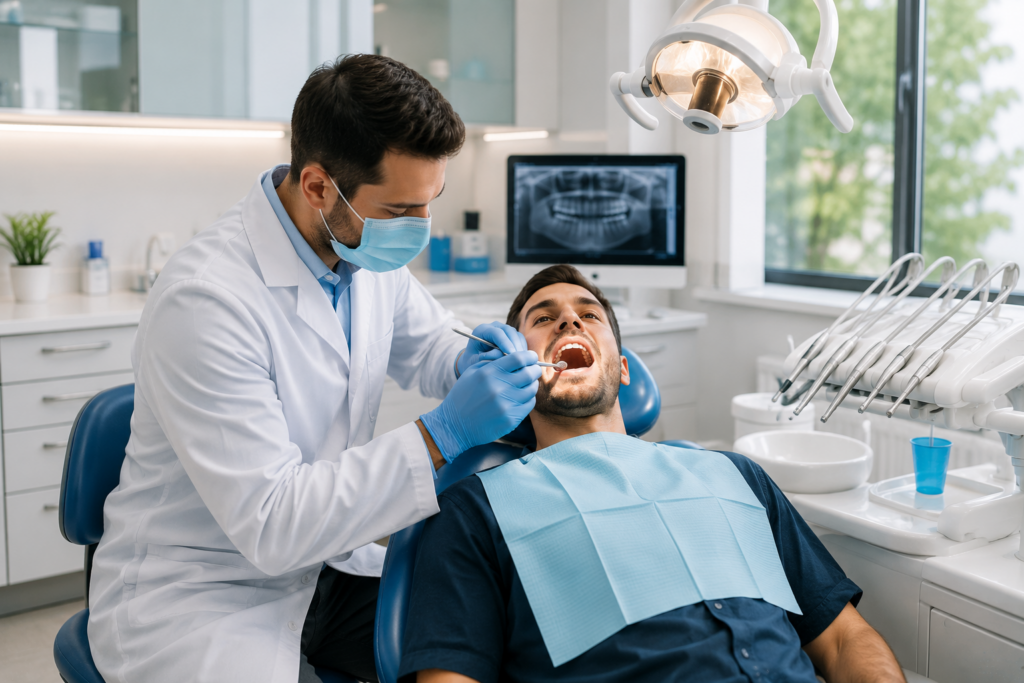
Dental implant treatment is one of the most advanced and effective solutions for replacing missing teeth. It provides a permanent, natural-looking replacement that improves chewing ability, speech, and overall oral health.
Although dental implants have a very high success rate, it is normal for patients to feel mild pain, swelling, or discomfort after surgery. This is part of the natural healing process. With proper care and guidance, recovery becomes smooth and long-lasting results can be achieved.
Understanding how to manage dental implant pain is essential for faster healing, reduced complications, and better overall comfort after surgery.
Understanding Dental Implants
A dental implant is a small titanium post that is surgically placed into the jawbone to replace the root of a missing tooth. Once placed, it integrates with the bone through a process called osseointegration, creating a strong foundation for artificial teeth such as crowns, bridges, or dentures.
As explained in Dental implant, it is one of the most reliable tooth replacement methods used in modern dentistry due to its durability, stability, and natural appearance.
Unlike traditional dentures, dental implants do not slip or move, making them a long-term solution for tooth loss.
Why Pain Occurs After Dental Implant Surgery
Mild pain after dental implant surgery is completely normal. It usually occurs due to:
- Surgical incision in the gum tissue
- Bone drilling during implant placement
- Inflammation during healing process
- Pressure from swelling in surrounding tissues
- Sensitivity of nearby teeth and gums
This discomfort usually peaks within the first 24–48 hours and gradually reduces over time.
10 Expert Tips to Manage Dental Implant Pain
Following proper aftercare instructions plays a key role in reducing pain and ensuring smooth recovery.
1. Take Prescribed Medicines on Time
Always take painkillers and antibiotics exactly as prescribed by your dentist. Do not skip doses.
2. Apply Ice Packs During First 24 Hours
Cold compress helps reduce swelling and numbs the area, lowering pain levels significantly.
3. Eat Soft Foods
Consume soft foods such as yogurt, soup, mashed potatoes, smoothies, and avoid hard chewing.
4. Avoid Smoking and Alcohol
Smoking delays healing and increases infection risk, while alcohol may interfere with medication.
5. Maintain Gentle Oral Hygiene
Brush carefully using a soft-bristled toothbrush and avoid disturbing the surgical site.
6. Rest Properly After Surgery
Avoid physical exertion and give your body enough time to heal.
7. Rinse with Warm Salt Water After 24 Hours
Salt water helps reduce bacteria and keeps the mouth clean, supporting faster healing.
8. Keep Head Elevated While Sleeping
Sleeping with your head slightly raised reduces swelling and improves blood circulation.
9. Avoid Hard Chewing on Implant Side
Do not apply pressure on the implant area until your dentist allows normal eating.
10. Visit Dentist If Pain Increases
If pain becomes severe or does not improve, consult your dentist immediately.
Role of Oral Surgery in Implant Success
Dental implant placement is a specialized form of oral surgery. Precision during surgery directly impacts healing speed, pain level, and long-term success of the implant.
According to Oral and Maxillofacial Surgery, proper surgical techniques significantly reduce complications, improve recovery time, and ensure better outcomes for patients.
Modern dental technology has made implant surgery safer, more precise, and less painful than before.
What to Expect During Recovery
Recovery after dental implant surgery varies from person to person, but generally follows this timeline:
- First 24–48 hours: Mild pain, swelling, and slight bleeding
- 3–7 days: Gradual reduction in discomfort
- 1–2 weeks: Gum tissue begins healing
- 1–6 months: Bone fully integrates with implant
Following post-surgery instructions properly ensures smooth and successful healing.
Find Help Near You
If pain continues or you want professional consultation, it is important to visit a qualified dental clinic.
You can search here for help:
Dental Implants Near Me Map
Proper dental care ensures early detection of any issues and better recovery outcomes.
Why Local Clinics Matter
Choosing a nearby dental clinic offers many advantages:
- Quick treatment support in emergencies
- Easy follow-up appointments
- Better monitoring of healing progress
- Personalized care and attention
- Faster response to complications
Local clinics help ensure that your recovery is properly supervised.
Long-Term Care After Implant Healing
Even after healing, dental implants require proper maintenance. Good oral hygiene habits such as regular brushing, flossing, and dental checkups are important to maintain implant health.
Patients should also avoid excessive pressure on implants and maintain regular visits to their dentist for long-term success.
Final Thoughts
Dental implant pain is usually temporary and manageable with proper care. By following medication schedules, maintaining oral hygiene, and attending regular checkups, patients can ensure smooth recovery.
With the right care and professional guidance, dental implants provide a long-lasting, natural-looking solution for missing teeth.

